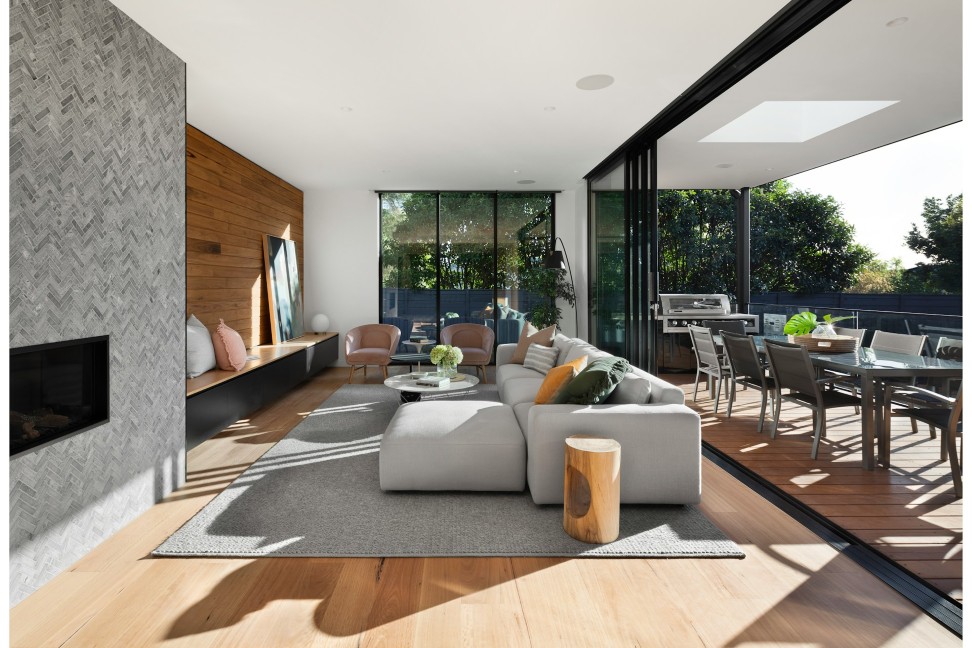
A beautifully designed room is never built on furniture alone. What gives a space warmth, nuance, and emotional pull is often the element people feel before they fully notice it: textile. From tailored drapery and upholstered seating to pillows, wall coverings, and finely chosen fabric accents, textiles shape how a room looks, sounds, and lives. In homes that feel complete rather than merely decorated, fabric choices are rarely incidental. They are considered, layered, and integrated into a broader vision. That is where thoughtful full service interior design becomes especially valuable, and where Price Designs brings a distinct point of view.
The Transformative Power of Textiles in Interior Design
Textiles do more than soften a room. They introduce movement, absorb sound, add visual rhythm, and create a sense of finish that hard materials alone cannot achieve. A living room with strong architecture can still feel incomplete without drapery that frames the light correctly or upholstery that adds depth and tactility. A bedroom may have excellent furniture but lack serenity if the fabrics fight each other in weight, pattern, or tone.
When used well, textiles help accomplish several goals at once:
- Comfort: They make rooms feel inviting rather than formal or cold.
- Balance: They soften stone, wood, glass, and metal.
- Scale: Large patterns can energize expansive rooms, while quieter weaves can refine smaller spaces.
- Personality: Fabric is often where individuality enters most clearly.
- Cohesion: Repeated textures and tones tie separate rooms into a unified home.
This is why textiles are rarely just finishing touches in high-level interiors. They are central design tools. Their color, hand, drape, sheen, and durability all affect the final result. A room with carefully selected fabrics can feel collected and effortless; one with rushed fabric decisions often feels visually fragmented, even if every individual piece is attractive.
What Makes Price Designs Unique Textiles Stand Out
Home | Price Designs | New York Interior Designers reflects an approach that values richness without excess. The appeal of unique textiles lies not simply in rarity, but in relevance: the right pattern in the right scale, the right weave for the right light, the right material for the way a household actually lives. That level of selection demands both aesthetic discipline and practical judgment.
Price Designs approaches textiles as part of the architecture of a room, not as decoration applied at the end. That distinction matters. When fabric choices are made in conversation with layout, furniture proportions, lighting, and daily routines, the result feels intentional from the start. Window treatments align with ceiling height and natural light. Upholstery complements the room’s use, whether that means polished entertaining or family durability. Accent fabrics add contrast without tipping into visual clutter.
What often separates elevated interiors from ordinary ones is restraint. A home does not need every surface to compete for attention. It needs variation, tension, and calm in the right measure. Unique textiles can provide exactly that through subtle pattern mixing, tonal layering, and a considered blend of matte and lustrous finishes. This is especially effective in New York homes, where apartments and townhouses alike benefit from interiors that feel tailored, composed, and deeply personal.
Where Textiles Have the Greatest Impact
Although textiles appear throughout a home, certain areas benefit from special attention. These are often the places where design either comes together beautifully or falls flat.
| Textile Application | Design Impact | Best Consideration |
|---|---|---|
| Window treatments | Controls light, improves scale, adds softness | Lining, length, fullness, and hardware placement |
| Upholstery | Sets comfort level and visual weight | Durability, texture, and room function |
| Rugs | Anchors furniture and defines zones | Size, pile height, and color balance |
| Pillows and accents | Adds pattern, color, and seasonal flexibility | Edit carefully to avoid excess |
| Bedding and soft layers | Creates comfort and visual calm | Breathability, touch, and tonal harmony |
Living Rooms
In living spaces, textiles help determine whether a room feels formal, relaxed, or quietly luxurious. Upholstery fabric can shift a sofa from crisp and architectural to soft and inviting. Drapery can elongate walls and refine daylight. A rug can settle a seating plan and make the room feel grounded.
Bedrooms
Bedrooms rely heavily on textile choices because comfort is inseparable from atmosphere. Layered bedding, upholstered headboards, and curtains with the right weight create privacy and calm. The best bedrooms are not overdesigned; they are enveloping. Fabric does much of that work.
Dining and Transitional Spaces
Even rooms with fewer soft surfaces benefit from textile thinking. Dining chairs, runners, banquettes, and stair runners all contribute to the tone of the home. Transitional areas such as hallways and landings especially benefit from subtle texture, which keeps them from feeling purely functional.
Why Full Service Interior Design Creates Better Textile Decisions
Choosing fabric in isolation is one of the most common reasons rooms feel unresolved. A swatch may look beautiful on its own and still fail once it is placed against flooring, millwork, lighting, and neighboring rooms. True cohesion comes from seeing every choice in relationship to the whole home.
That is the strength of full service interior design: it allows textiles to be selected within a complete framework that includes space planning, furnishings, finishes, sourcing, installation, and styling. Rather than reacting room by room, the design process becomes strategic and unified.
This approach is especially important when mixing custom pieces with existing furnishings or when renovating an older home with strong architectural character. A designer can assess where custom drapery is worth the investment, where performance fabric is essential, and where a quieter material will allow a more expressive pattern elsewhere to shine. The outcome is not just a prettier room, but a home that feels resolved and lives well over time.
- Discovery: Understand how the household uses each room and what atmosphere is desired.
- Concept development: Establish a palette, mood, and material direction.
- Textile curation: Select fabrics for upholstery, windows, bedding, and accents with durability and beauty in mind.
- Integration: Coordinate textiles with furniture, finishes, art, and architectural details.
- Execution: Oversee fabrication, installation, and final styling so the design feels complete.
Seen this way, textile choices are not minor details. They are part of the structural language of the interior.
How to Recognize Textiles That Will Last in Style and Function
Not every beautiful fabric belongs in every home. The strongest interiors balance elegance with suitability. Before committing to any textile direction, it helps to consider a few fundamentals:
- Light exposure: Rooms with intense sun may require more careful material selection and lining.
- Household habits: Children, pets, entertaining, and daily traffic all affect what will wear well.
- Maintenance: Some fabrics reward careful upkeep; others are better for everyday resilience.
- Texture mix: A successful room usually blends smooth, nubby, crisp, and soft surfaces.
- Pattern discipline: Variety works best when scale and color are controlled.
Timeless interiors do not avoid character. They simply use character with intention. A striking textile can become the point of view that defines a room, but it needs support from quieter elements around it. Likewise, understated fabrics can feel deeply luxurious when their texture, tailoring, and placement are expertly judged. This is where an experienced designer adds lasting value: not by adding more, but by editing wisely.
For homeowners seeking a more finished, personal environment, textiles offer one of the clearest paths to transformation. They can soften city edges, introduce depth to minimal rooms, and give traditional spaces a fresher, more livable polish. With the right eye, they turn design from visual arrangement into lived atmosphere.
Conclusion
To transform a home in a meaningful way, it is not enough to choose attractive pieces one by one. The rooms that stay compelling over time are the ones built through cohesion, proportion, texture, and care. Unique textiles are essential to that equation because they influence how a home feels as much as how it looks. Price Designs understands that distinction, bringing a refined sensibility to layered, livable interiors shaped by both beauty and purpose. If the goal is a home that feels polished, personal, and complete, full service interior design paired with thoughtfully selected textiles is one of the smartest investments a homeowner can make.